
Toilet Repair & Installation
TOILET REPAIR & INSTALLATION in Smithfield, NC
A running toilet can waste around 200 gallons a day, and the plumbing code requires 15 inches of clearance from the centerline to any side obstruction and 21 inches of open space in front. Just Right Plumbing, LLC repairs and installs toilets across Smithfield, NC: running fill valves, weak or incomplete flushes, rocking bases, failed wax seals, corroded or damaged flanges, and complete fixture replacement, with every new toilet set level on a clean and properly sealed connection
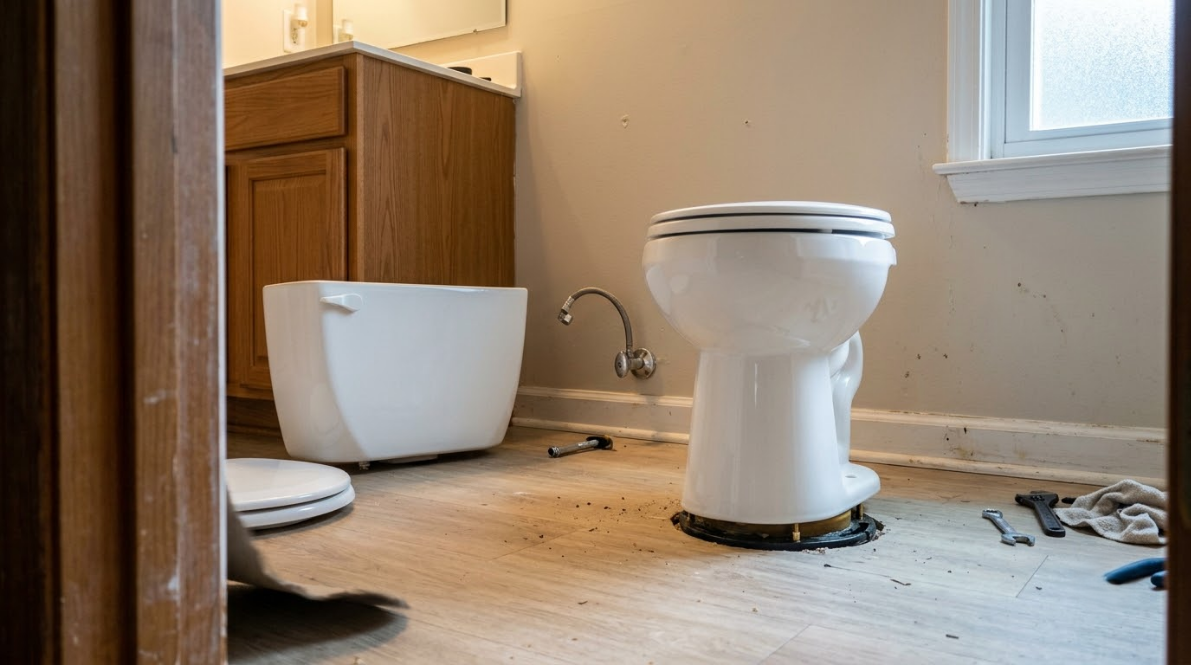
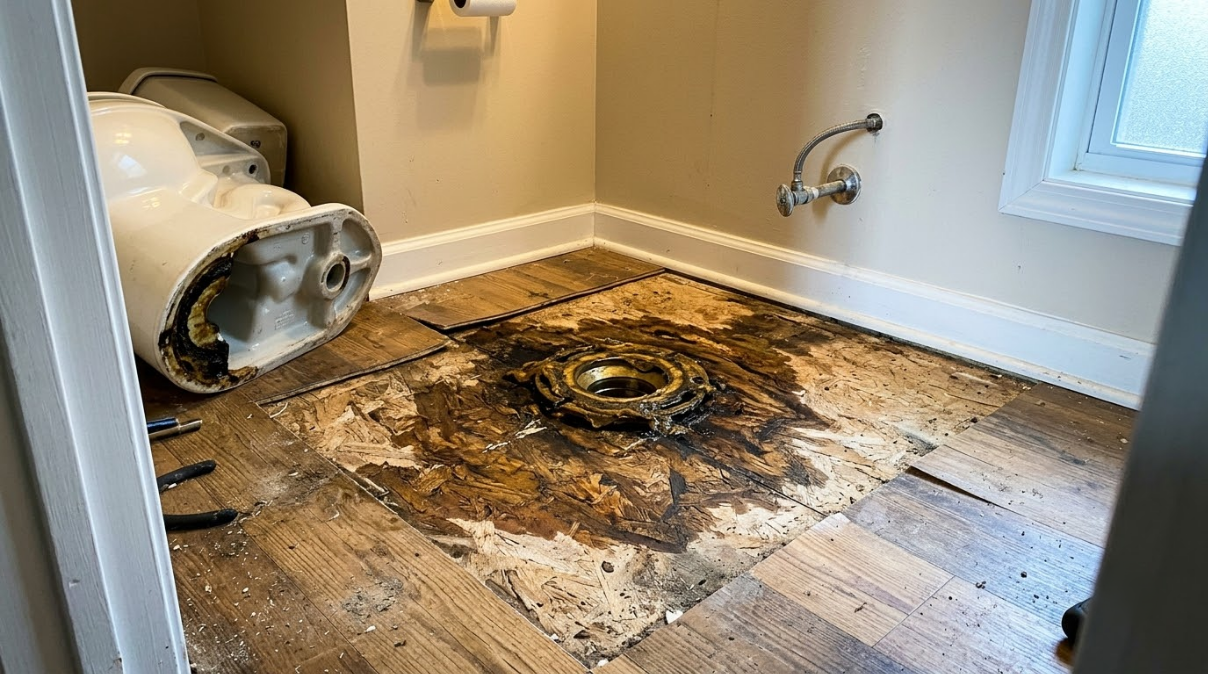
A ROCKING TOILET IS A LEAK IN PROGRESS.
Movement at the base means the fixture is no longer sealed against the flange, and every flush pushes a small amount of water into the subfloor. Nothing appears for months, and then the flooring lifts or the ceiling below stains. By then the repair has grown from a wax seal to a framing job.
Tightening the bolts down harder is not the fix, and it frequently cracks the porcelain. The flange, the seal, and the floor beneath all need looking at before the fixture goes back down.
✓ Rebuild or replace, whichever suits
✓ Flange and subfloor checked properly
✓ New fixtures set level and sealed
✓ Licensed P1 plumber on every visit
TOILET REPAIR & INSTALLATION
MOST TOILET FAULTS ARE CHEAP TO PUT RIGHT.
A toilet has a small number of moving parts and they fail in predictable ways. Fill valves wear and stop shutting off. Flappers harden and stop seating, which is the quiet leak that inflates a water bill. Flush valve seals perish. Supply stops seize. Every one of those is a low-cost repair on a fixture that may otherwise be perfectly sound, and replacing the whole toilet for any of them is rarely necessary.
OLD BATHROOMS COME WITH ODD ROUGH-INS.
Houses built before the current fixture clearance rules frequently have toilets set closer to a wall or a vanity than today's code would permit, and rough-in distances of 10 or 14 inches turn up alongside the standard 12. That matters enormously when replacing a fixture, because the wrong rough-in simply will not fit. We measure before ordering rather than discovering it on installation day.
ROCKING TOILETS ARE NEVER ONLY ROCKING TOILETS.
Movement always has a cause sitting underneath it: a corroded flange, a flange set below the finished floor level, rotted subfloor around the bolts, or an uneven tile bed. 7+ years of lifting fixtures has produced a firm rule here about never simply shimming one and moving on. Fixing what is under there costs a little more today and saves the whole floor. Want yours looked at correctly?
WHY CHOOSE US FOR TOILET REPAIR AND INSTALLATION.
REBUILT WHERE REBUILDING WORKS
Fill valves, flappers, and flush seals are inexpensive parts on a fixture that may have years left. Replacement gets recommended when the porcelain or the rough-in genuinely requires it.
THE FLANGE GETS INSPECTED
Every fixture we lift means a proper look at the flange, the bolts, and the subfloor around them. That inspection catches the damage that shimming a rocking toilet simply hides.
ROUGH-IN MEASURED FIRST
Rough-ins of 10, 12, and 14 inches all exist in local homes. Measuring before ordering prevents the wasted day that comes from a fixture that will not physically fit.
SET LEVEL AND SEALED PROPERLY
New toilets go down on a clean flange with a correct seal and are shimmed and set level. Done right, the base stays dry and the fixture never moves again.
SILENT LEAKS CHECKED TOO
Dye testing takes minutes and catches the flapper leaks that quietly waste hundreds of gallons. It is worth doing on every toilet in a house, not only the one that prompted the call.
CLEAN, RESPECTFUL WORK
Bathrooms are small and personal spaces. Protection down, tidy work, the old fixture removed, and the room left clean is simply how the job should be done.
WHAT WE HANDLE
OUR TOILET REPAIR AND INSTALLATION WORK
Six services cover practically every toilet problem that arises in a home or a small commercial property. Most repairs finish within a single visit, and replacements are usually completed on the same day.
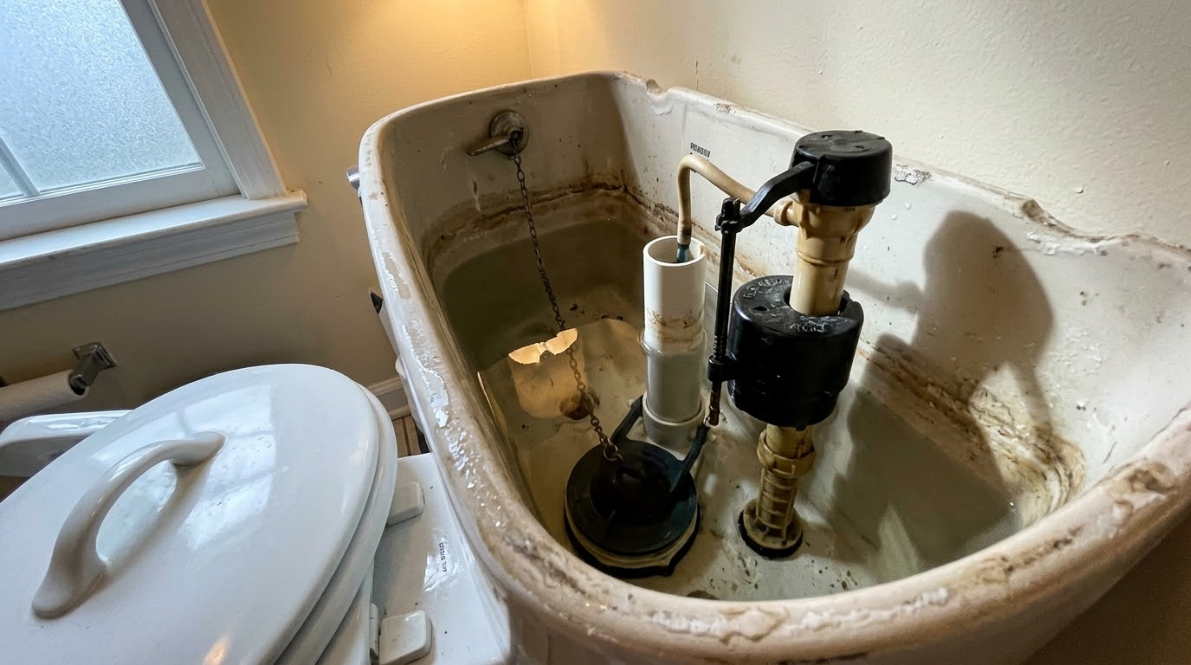
RUNNING
Fill Valve and Flapper Repair
A toilet that runs, refills on its own, or never quite stops is almost always a worn flapper or a fill valve past its service life. Both are quick, inexpensive replacements.
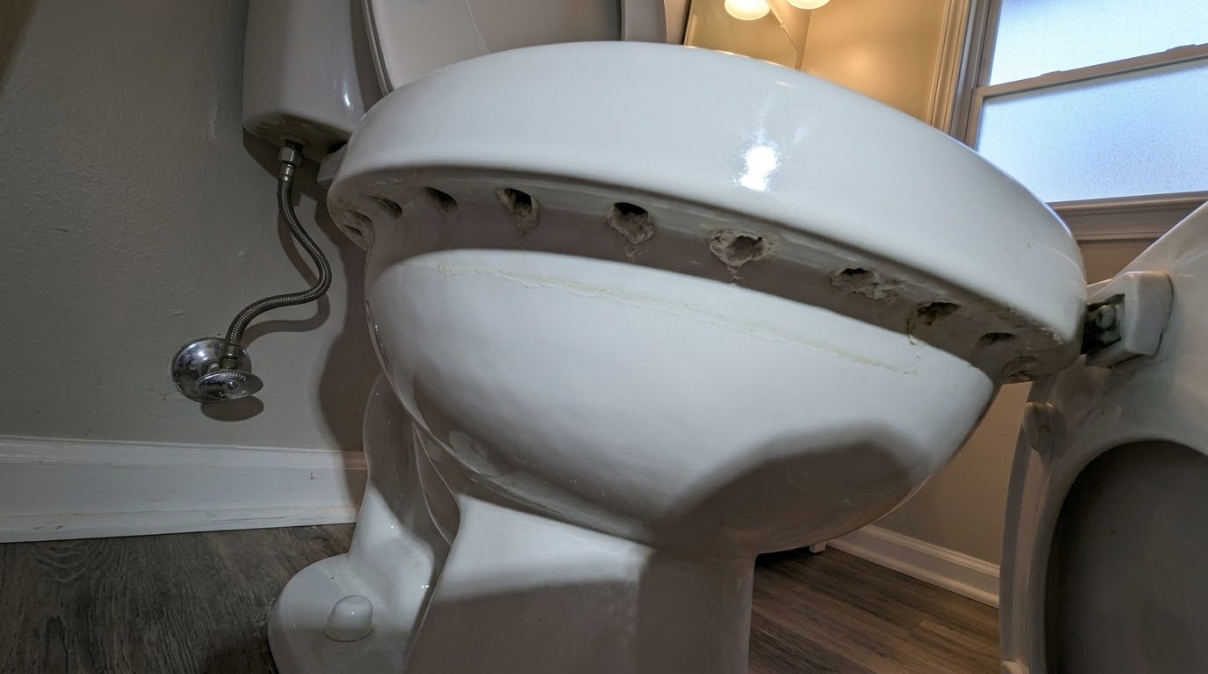
FLUSHING
Weak Flush Diagnosis and Repair
Poor flushing usually traces to blocked rim jets, a low water level in the tank, a partially closed supply stop, or a flapper closing too early. Each has a straightforward correction.
LEAKS
Base Leak and Wax Seal Repair
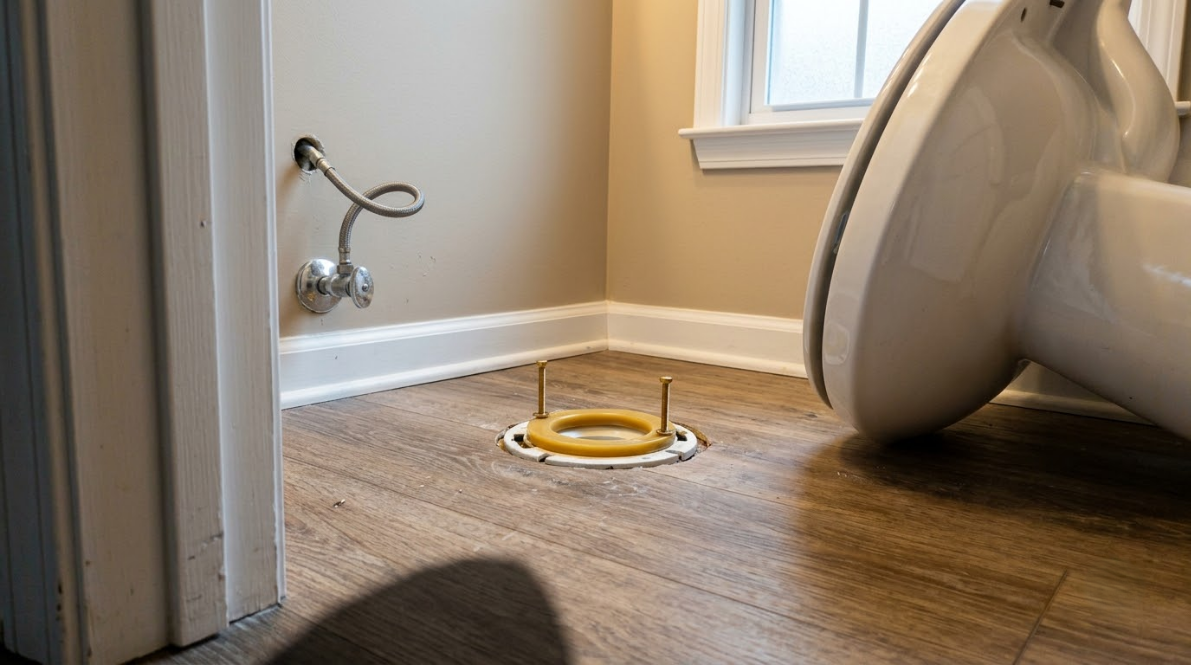
Water appearing at the base means the seal has failed or the flange has dropped. The fixture is lifted, the flange assessed, and the seal replaced with the subfloor properly checked.
FLANGES
Toilet Flange Repair and Replacement
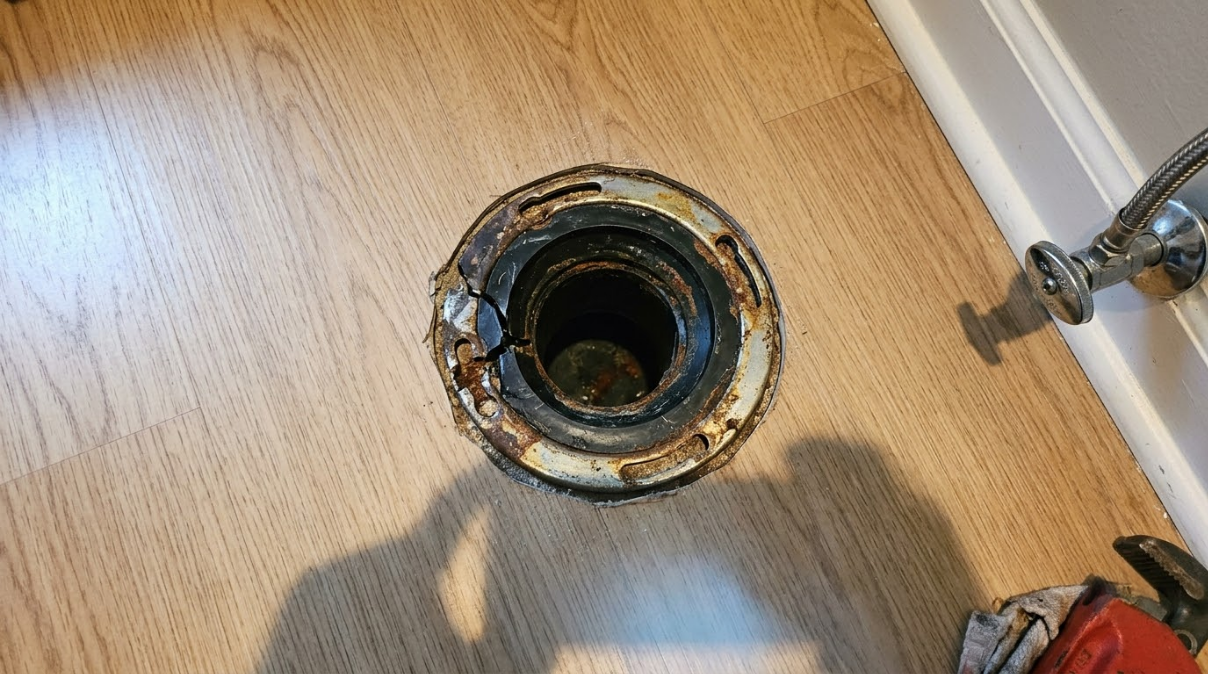
Cracked, corroded, or under-height flanges stop a toilet sealing thoroughly no matter how carefully it is set. Repairing or replacing the flange correctly is the thing that makes a fixture stay dry.
INSTALL
New Toilet Installation
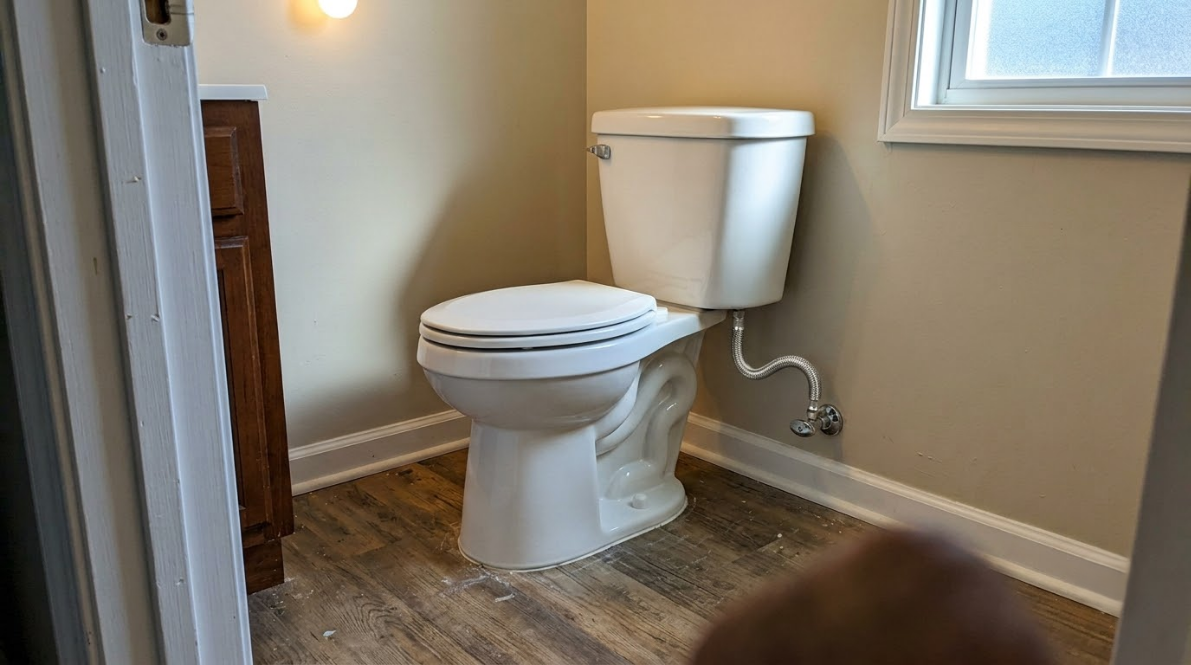
Rough-in measured, the old fixture removed, the flange checked, and the new toilet set level on a clean seal. Supply and stop are renewed so the whole connection is fresh.
CLOGS
Toilet Clog Clearing
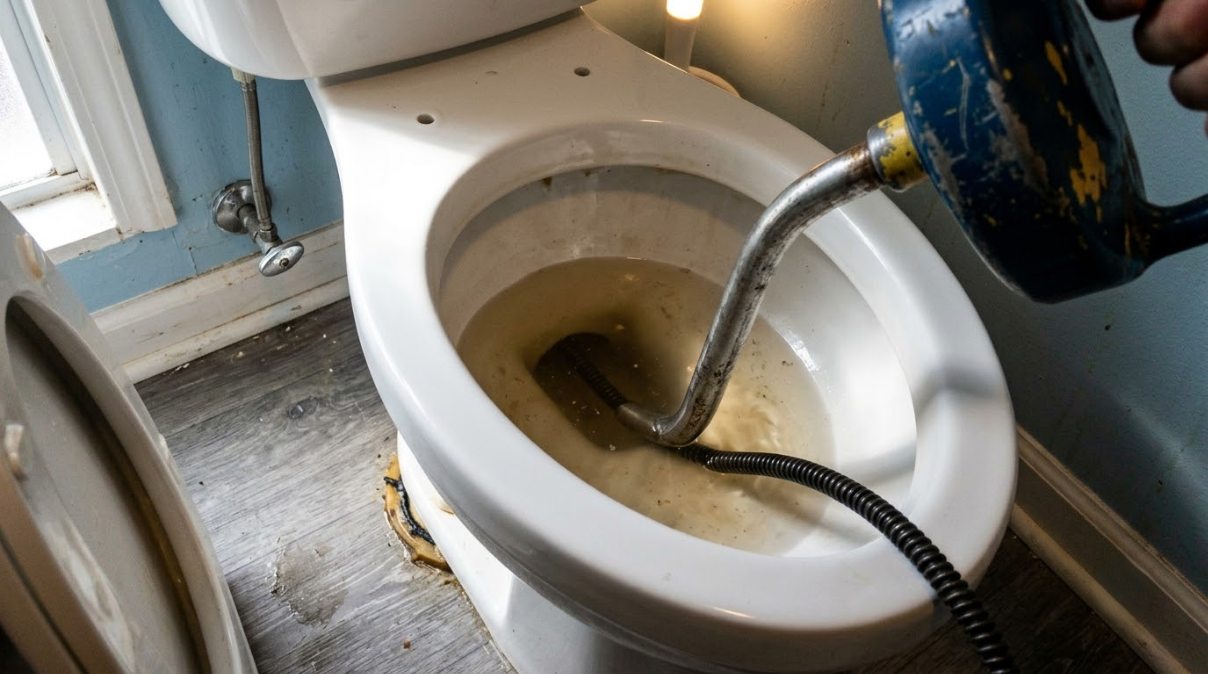
Repeated blockages in one particular toilet point at the trapway, an object lodged inside it, or a restriction further down the branch. Clearing it properly means first identifying which of those applies.
THE WORD ON OUR WORK
WHAT OUR CLIENTS SAY.
The comments that come back most often are about small things done thoroughly: a running toilet finally silenced for good after two previous attempts by somebody else, and a fixture replaced without the bathroom ever looking like a building site afterward.
Common Questions
FREQUENTLY ASKED QUESTIONS.
The questions homeowners ask most about toilets, covering running fill valves, rocking bases, rough-in measurements, wax seals, weak flushing, and when replacing a fixture genuinely beats repairing it.
How do you fix a toilet that keeps running?
Usually by replacing the flapper, which hardens and stops sealing, or the fill valve, which wears and fails to shut off. Both are inexpensive parts and both are quick to change.
What happens if I ignore a running toilet?
It can waste around 200 gallons a day, which shows up sharply on a water bill. The constant flow also wears the flush valve seat, turning a small repair into a larger one.
Is a toilet leaking at the base an emergency?
Close to one. Water reaching the subfloor at every flush causes damage long before it becomes visible, so the fixture should be lifted and resealed promptly rather than left for a convenient week.
What is the standard rough-in size for a toilet?
Twelve inches from the finished wall to the center of the closet bolts is standard, with 10 and 14 inch versions also produced. Measuring before ordering avoids buying a fixture that cannot fit.
How do you tell if your toilet needs to be replaced?
Cracks in the porcelain, a trapway that blocks repeatedly, a fixture that rocks despite a sound flange, and very old high-volume models all argue for replacement rather than another round of parts.
How often do you replace the wax ring on a toilet?
Only when the fixture is lifted for another reason, or when a base leak indicates the seal has failed. A wax ring undisturbed on a sound flange can easily last decades.
Why is my toilet not flushing completely even though it is not clogged?
Look at the tank water level, the flapper chain length, and the rim jets under the bowl edge. Mineral buildup in those small openings quietly reduces flush power over several years.
Why should I choose Just Right Plumbing for toilet work?
We check the flange and the subfloor rather than shimming a rocking fixture, and we measure rough-in before ordering anything. Homeowners across Smithfield, NC value that thoroughness on a small job.
HOW WE WORK
FROM RUNNING TANK TO SOLID FIXTURE, HERE IS HOW.
STEP 01
Identify the actual symptom
Running, rocking, leaking, or flushing poorly each point somewhere quite different inside the fixture. Describing it accurately on the phone usually means we arrive at the door with the right parts already loaded on board.
STEP 02
Test before dismantling
Dye testing, water level checks, and a proper look at the supply stop all confirm what is happening before anything is taken apart. Several complaints resolve entirely at this stage with a single adjustment.
STEP 03
Repair or recommend replacement
Where new parts will genuinely restore the fixture, that is exactly what happens. Where the porcelain is cracked or the trapway itself is the problem, you hear a straight recommendation instead of another rebuild.
STEP 04
Lift and inspect the connection
Any fixture coming up means the flange, the bolts, and the subfloor all get examined carefully. Hidden damage under a toilet is common and considerably cheaper to address while the fixture is already off.
STEP 05
Set and seal correctly
New or refitted, the toilet goes back down on a clean flange with a fresh seal, is shimmed right level, and the bolts are tightened evenly so that the porcelain is never stressed.
STEP 06
Test, dye check, and tidy
The fixture is flushed repeatedly, the base is checked dry, and a dye test confirms nothing is passing silently. The old unit leaves with us, and the bathroom is left properly clean behind us.
Get Your Free Estimate
GET THAT TOILET SORTED PROPERLY, FREE.
Describe what it is doing, whether that is running, rocking, leaking, or flushing weakly, and we will tell you over the phone what it usually means and whether a repair or a replacement makes better sense.
WHAT YOUR FREE ESTIMATE COVERS:
✓ Symptoms interpreted at no charge
✓ Repair and replacement compared plainly
✓ Rough-in measurement guidance
✓ Flange and subfloor inspection included
✓ Silent leak dye testing
✓ Old fixture removed and taken away