Commercial Plumbing
Commercial Plumbing in Smithfield, NC
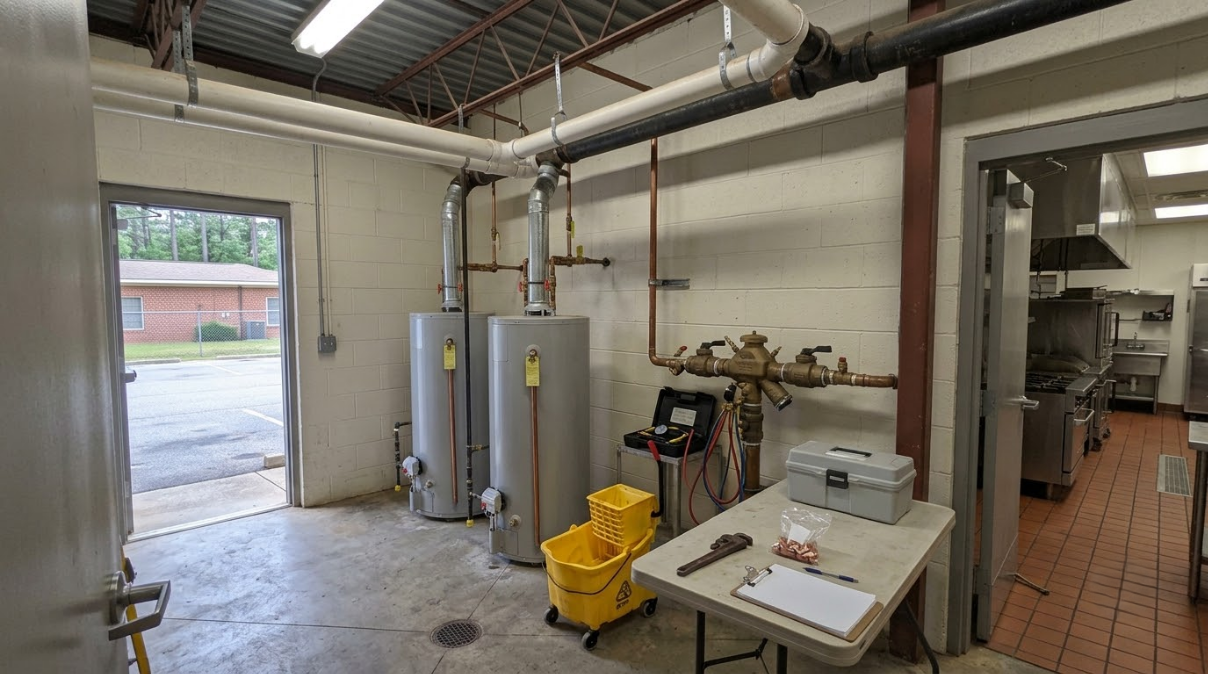
Smithfield's utility ordinance requires every backflow prevention assembly to be field tested by a certified tester at installation and at least once a year afterward, for the life of the assembly. Just Right Plumbing, LLC keeps commercial properties across Smithfield, NC on the right side of rules like that: restroom plumbing, grease interceptors, backflow assemblies, commercial drains, water heaters, and scheduled maintenance, all handled by a licensed P1 plumber who understands what an inspector will actually look for.
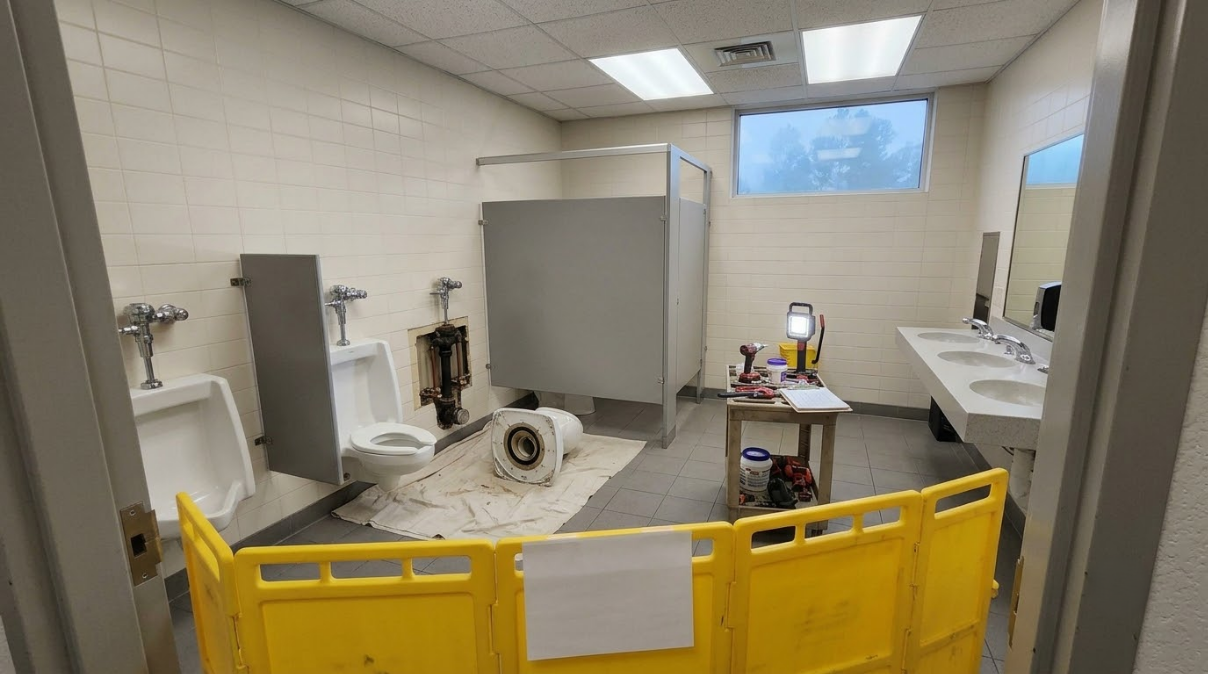
A CLOSED RESTROOM CLOSES THE BUILDING.
Commercial plumbing carries a cost residential work does not. A blocked floor drain in a kitchen stops food service. A failed assembly on the water service can put a health inspection in jeopardy. Repairs are rarely urgent because the pipe is dramatic; they are urgent because the building cannot legally or practically operate without them.
So we plan the work around your hours rather than ours. Early mornings, evenings, and the quiet stretches between rushes exist for a reason, and most jobs can be sequenced neatly to fit inside them.
✓ Work scheduled around business hours
✓ Licensed P1 plumber on every visit
✓ Code-driven repairs, documented
✓ Free estimates over the phone
COMMERCIAL PLUMBING
COMMERCIAL SYSTEMS FAIL ON A SCHEDULE.
Volume is what separates a business from a house. A restroom that serves 400 people a day ages a flush valve in months rather than years, and a kitchen line carrying grease every service builds restriction on a predictable curve. That predictability is useful. Once we know your fixture count, your hours, and what goes down the drains, maintenance intervals stop being guesswork and unplanned closures become genuinely rare.
SMITHFIELD BUSINESSES ANSWER TO TWO DESKS.
Permits and inspections for Smithfield properties run through Johnston County Building Inspections, while water, sewer, grease, and cross-connection rules come from the town's own utility ordinance. Knowing which office governs which question routinely saves days on a project. It also means backflow test paperwork, interceptor sizing, and fixture counts all get handled the way each desk expects them, rather than being rejected and resubmitted twice.
DOWNTIME COSTS MORE THAN THE REPAIR DOES.
Nobody calls a commercial plumber because they enjoy the invoice. They call because every hour a restroom stays locked or a prep sink stays out of service costs real money, and 7+ years in the trade has taught us to price that hour into how fast we respond and how completely we finish. We would rather do the thorough version once than the quick version three times. Shall we look at your building?
WHY CHOOSE US FOR COMMERCIAL PLUMBING.
SCHEDULING BUILT AROUND YOU
Work happens when your building can spare it. Early, late, or between shifts, we sequence the job so the disruption lands where it costs your operation the least.
COMPLIANCE HANDLED PROPERLY
Backflow testing, interceptor requirements, and fixture rules get treated as the obligations they are. Documentation goes where it belongs so an inspection stops being something to dread.
ONE TRADE, DEEP ENOUGH
Plumbing is all we do, so commercial systems are not an occasional detour. That focus shows in faster fault-finding on equipment most general contractors touch twice a year.
PREVENTIVE OVER REACTIVE
Scheduled service costs less than a closed dining room. We map intervals to your actual usage rather than a generic calendar, then keep to them without needing reminders.
CLEAR, WRITTEN OUTCOMES
You get a plain account of what was found, what was corrected, and what is approaching its limit. That record makes budgeting and future decisions considerably easier.
RESPONSE THAT MATCHES URGENCY
Not every issue is a crisis, and we will tell you which is which. When something genuinely cannot wait, we move, day or night through the working week.
WHAT WE SERVICE
OUR COMMERCIAL PLUMBING WORK
Six service areas cover the systems that most often interrupt a working building. Each one is handled to code, documented for your records, and scheduled around the hours you actually need the space.
RESTROOMS
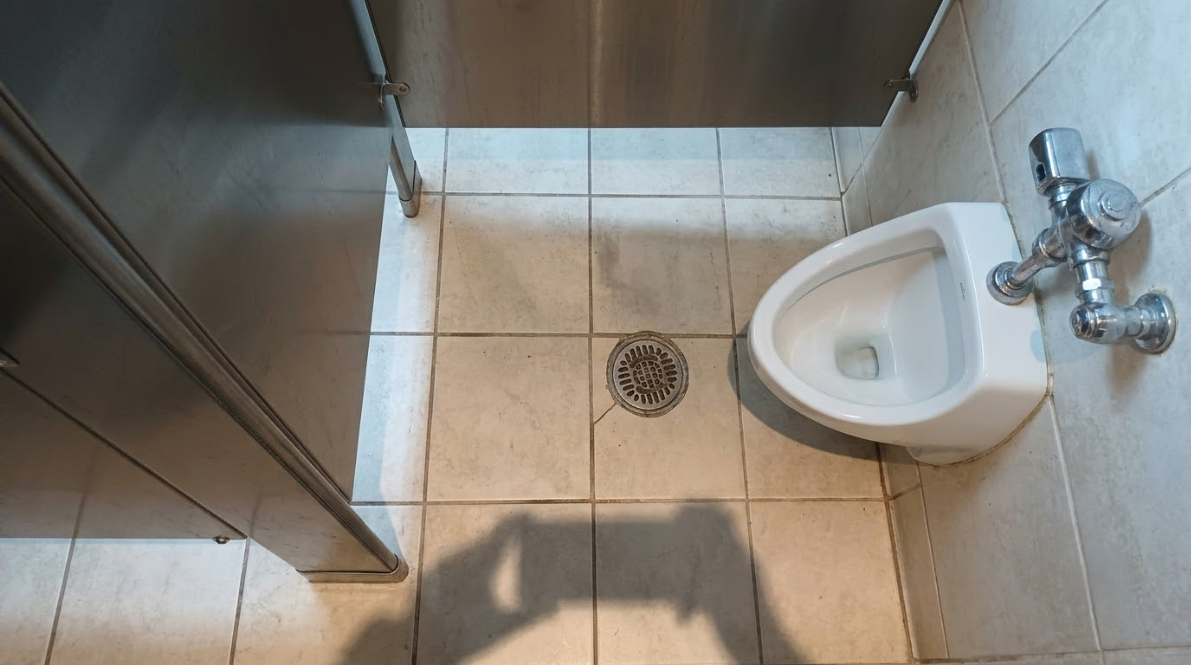
Commercial Restroom Plumbing
Flush valves, sensor faucets, carriers, floor drains, and wall-hung fixtures take heavy daily use. We repair and replace the parts that wear, and keep clearances and fixture counts within what the code requires for your occupancy.
FOOD SERVICE
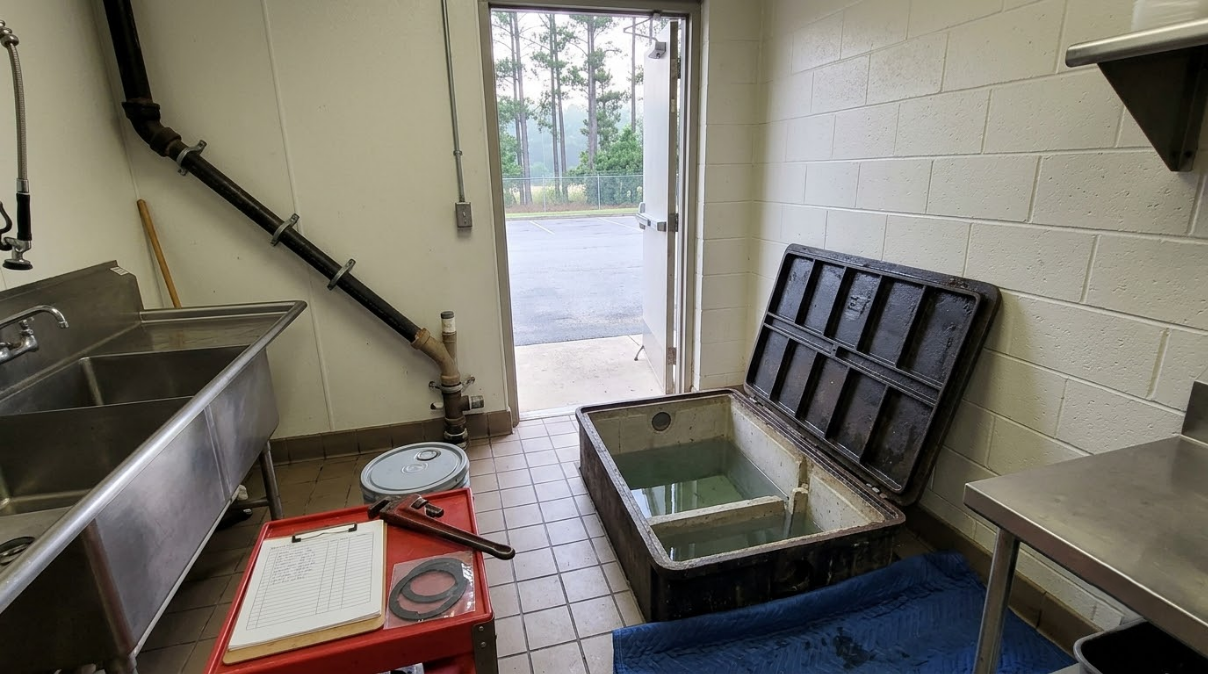
Grease Interceptor Service
Interceptors only work when they are sized correctly, fitted with proper flow control, and cleaned before solids carry over. We handle installation, repair, and the piping upstream that has to hold a steeper fall.
CROSS CONNECTION
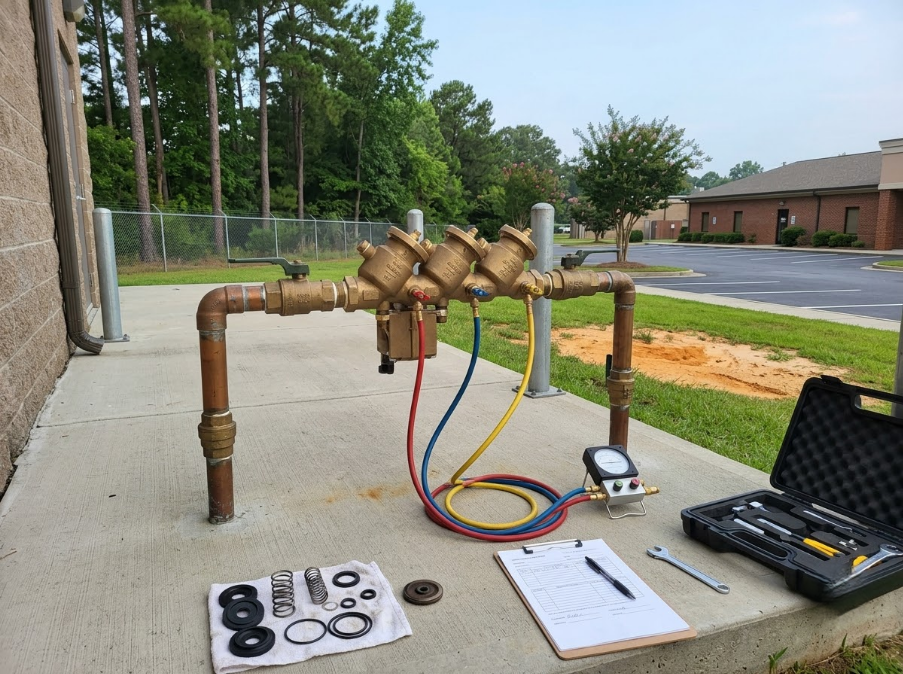
Backflow Assembly Service
Assemblies protect the public supply and require annual field testing for the life of the unit. We install, repair, and rebuild them, then make sure the paperwork reaches the town without a second reminder.
MAIN LINES
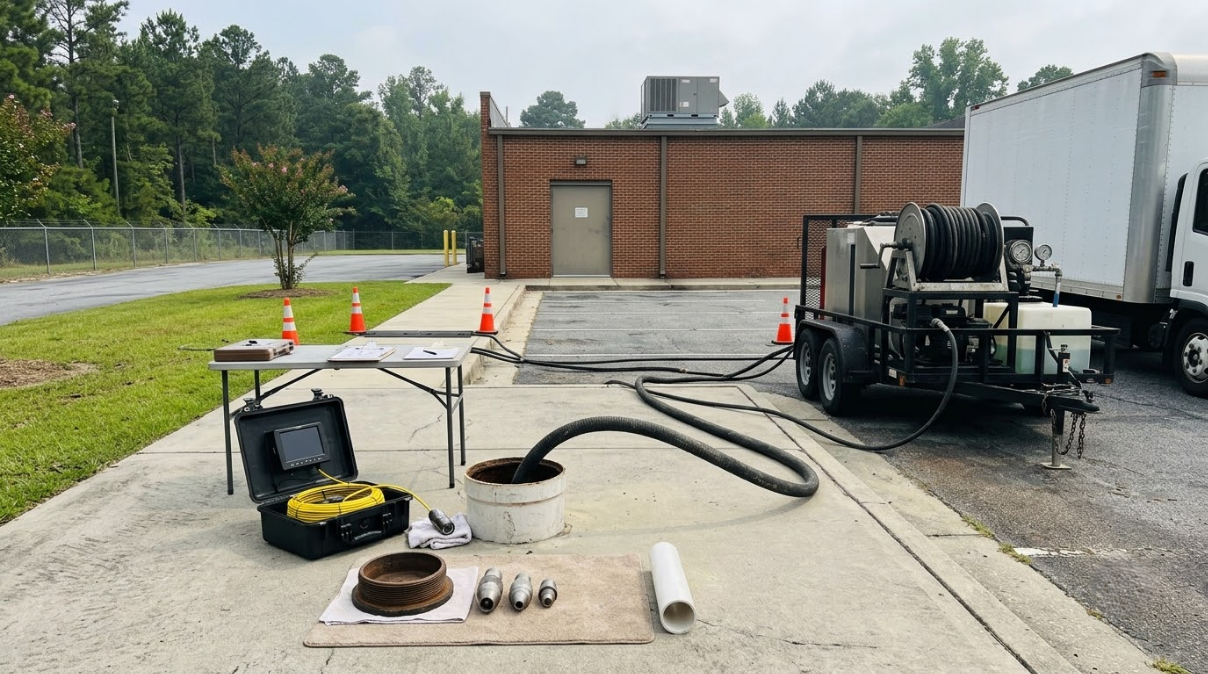
Commercial Drain and Sewer
High-volume lines need jetting rather than a cable, and cameras rather than guesswork. We clear blockages, verify the line runs clean, and locate the bellies and breaks behind repeat problems.
HOT WATER
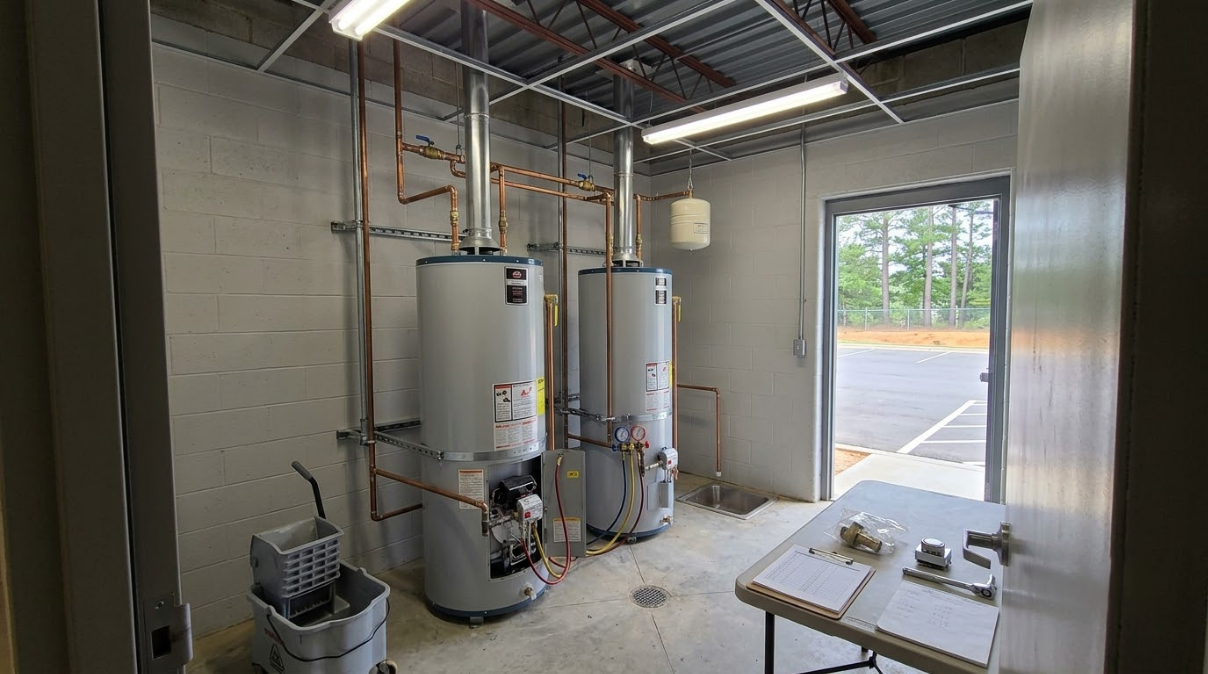
Commercial Water Heater Service
Hot water demand in a business is unforgiving. We service and replace commercial units, size for real peak load rather than square footage, and set relief discharge and expansion control correctly.
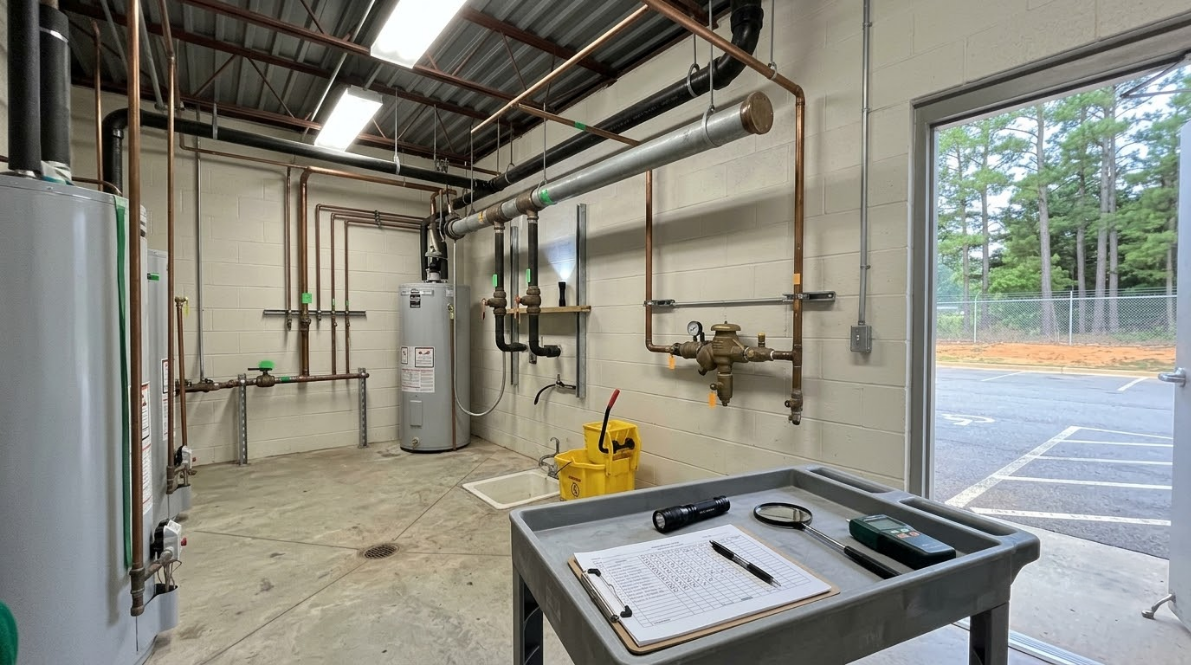
PREVENTIVE
Scheduled Plumbing Maintenance
A planned visit catches weeping valves, restricted drains, and aging assemblies before they close anything. Intervals are set from your usage and your fixture count, then documented visit by visit.
THE WORD ON OUR WORK
WHAT OUR CLIENTS SAY.
Property managers and business owners tend to comment on the same things: calls answered by a person, arrival when promised, and a straight explanation of what the building actually needs. Several mention work completed outside operating hours so nobody lost a day of trade.
Common Questions
FREQUENTLY ASKED QUESTIONS.
Questions business owners and property managers ask most about commercial plumbing, from backflow testing and grease interceptors to inspection intervals and what separates commercial systems from residential ones.
What is the difference between commercial and residential plumbing?
Scale, code, and consequence. Commercial systems carry larger pipe, higher fixture counts, and heavier continuous use, and they answer to rules on backflow prevention, grease handling, and accessible fixture counts that never apply to a house.
How frequently should a commercial building's plumbing be inspected?
Annually at minimum, and more often for food service or high-traffic restrooms. Interceptors, backflow assemblies, and main drains generally need their own shorter intervals based on volume rather than a single building-wide schedule.
How commonly do you need a backflow preventer test?
Smithfield requires a certified field test at installation and at least once every year for the life of the assembly. Missing that window puts your water service and your compliance record at genuine risk.
How does a backflow preventer work?
It uses check valves and, in higher-hazard assemblies, a relief port to stop water flowing back toward the public main. If pressure reverses, the device closes or dumps rather than letting contaminated water travel upstream.
How often should grease traps be cleaned?
Before solids and floating grease reach roughly a quarter of the vessel depth, which for most kitchens means monthly or quarterly. Waiting until carryover starts creates blockages downstream that cost far more to clear.
What causes low water pressure in a commercial building?
Usually a partially closed valve, a failing pressure-reducing valve, scale in older galvanized risers, or simple undersizing for added fixtures. We gauge at several points to find where the pressure is actually being lost.
How many toilets are required in a commercial building?
Fixture counts come from occupancy type and load under the plumbing code, and required facilities must sit within limited travel distance of the space served. We can confirm the count for your specific use.
Why should businesses choose Just Right Plumbing for commercial work?
Plumbing is the only thing we do, a licensed P1 plumber handles every visit, and we schedule around your hours. Businesses across Smithfield, NC keep us because compliance work gets finished, not merely started.
HOW WE WORK
FROM WALKTHROUGH TO SIGN-OFF, HERE IS HOW.
STEP 01
Walk the building with you
We look at fixtures, mechanical spaces, interceptors, and backflow assemblies, then ask how the space actually gets used day to day. That walkthrough usually surfaces two or three issues nobody inside the building had flagged yet.
STEP 02
Establish what the code requires
Fixture counts, interceptor sizing, backflow class, and testing intervals all get confirmed against the plumbing code and the town ordinance before anything is quoted, so the scope you receive reflects genuine obligation rather than anybody's opinion.
STEP 03
Quote the scope in writing
You receive a clear written breakdown of the work, the materials, and the sequence it will follow. Anything optional is labeled as optional, so budgets can be built without unpleasant surprises arriving later on.
STEP 04
Schedule around your operation
Dates and hours are chosen specifically to protect trading time. Where a shut-down is unavoidable, you know its likely length well in advance, and we plan the work to compress it as far as the job allows.
STEP 05
Complete and document the work
Repairs and installations follow the North Carolina State Plumbing Code, and permits or inspections are coordinated wherever they are required. Test results and completed paperwork are handed straight over rather than filed away somewhere you cannot reach them.
STEP 06
Set the maintenance interval
Before we leave, we agree how regularly this system needs attention and what is worth watching between visits. That schedule is the thing that keeps your next call a planned one rather than an emergency at closing time.
Get Your Free Estimate
GET YOUR BUILDING ASSESSED, FREE.
Tell us what your property is doing, or what an inspector flagged, and we will walk it, price the work plainly, and schedule it around your trading hours. Estimates over the phone cost nothing and often save a closure.
WHAT YOUR FREE ASSESSMENT COVERS:
✓ A walkthrough of the plumbing systems
✓ Compliance obligations explained clearly
✓ Written scope with optional items marked
✓ Scheduling built around your hours
✓ Permit and inspection coordination
✓ A maintenance interval you can plan around