
Clogged Drain Repair
Clogged Drain Repair in Smithfield, NC
Tree roots inside a drain line can thicken to half an inch or more, adding hundreds of pounds of pressure against the joints until the pipe itself gives way. Just Right Plumbing, LLC handles clogged drain repair across Smithfield, NC for the blockages that keep coming back: root intrusion, bellied sections, broken pipe, failed venting, and collapsed joints. A camera goes in first so the repair addresses the actual defect rather than the symptom sitting on top of it.
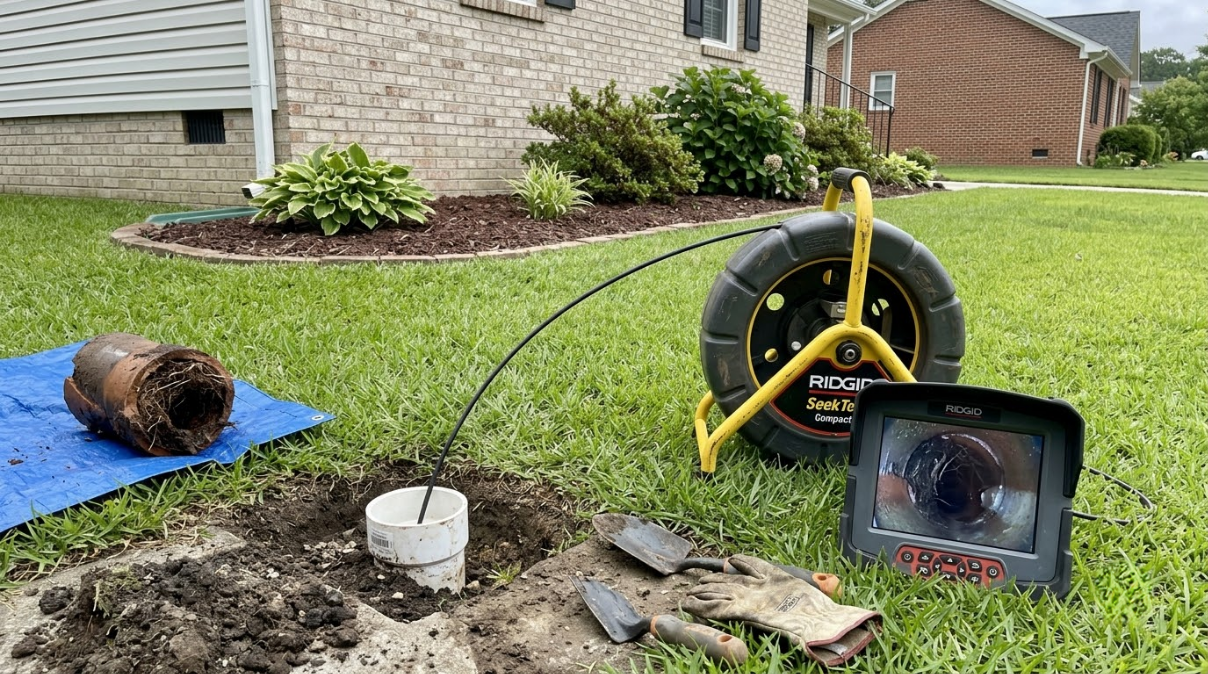
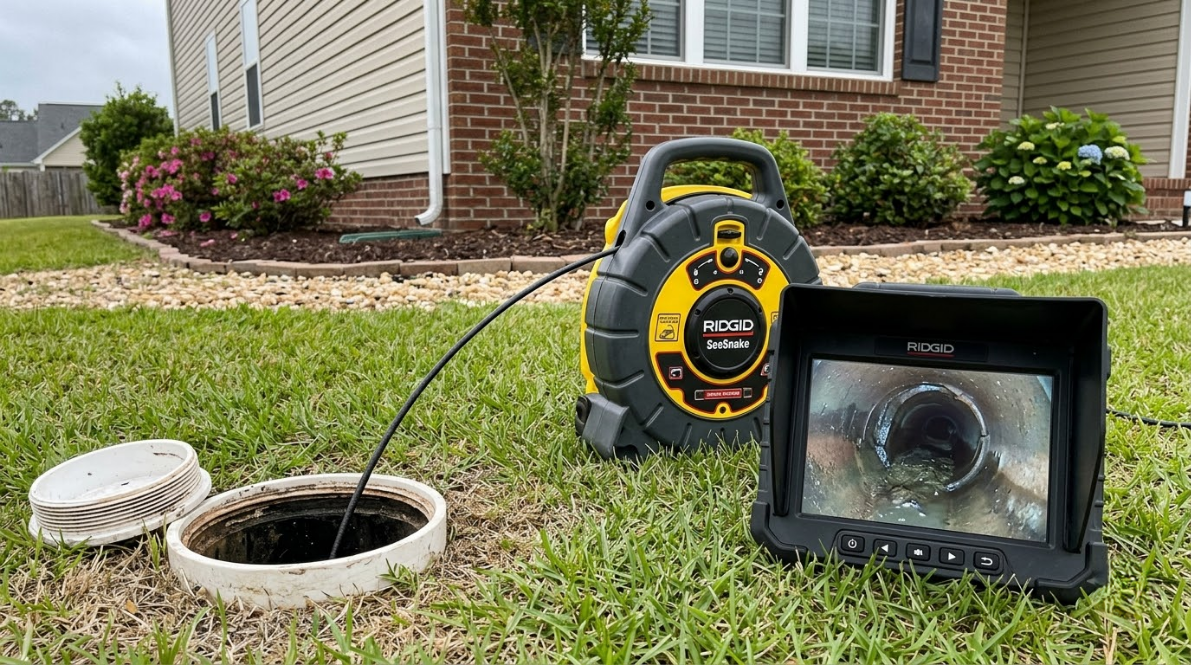
A DRAIN THAT CLOGS TWICE HAS A REASON.
One blockage is either bad luck or a bad habit in the kitchen. The same drain blocking every few months is a structural message, and no amount of clearing is ever going to answer it. Something in that line is holding material back, and until that something is found and properly corrected, every visit simply buys the same short reprieve.
Repair work starts exactly where clearing stops. We find the defect, show it to you on camera footage, and then discuss plainly what fixing it properly would actually involve.
✓ Camera survey before any repair
✓ Root cause identified and shown
✓ Spot repairs where they suffice
✓ Licensed P1 plumber on every job
CLOGGED DRAIN REPAIR
THE BLOCKAGE IS RARELY THE REAL PROBLEM.
Drain lines fail in a small number of predictable ways. A belly holds standing water that catches solids. A cracked or offset joint admits roots that grow into a dense mat. A crushed section narrows the bore permanently. A blocked or missing vent stops the line breathing, so waste crawls instead of flowing. Every one of those creates repeat blockages, and every one of them is a repair rather than a clearing job.
MATURE TREES AND OLD CLAY DO NOT MIX.
Established neighborhoods around Smithfield have both in abundance, and the combination is the single most common cause of recurring blockages we see. Clay laterals move slightly with the soil, joints open by a fraction, and roots find the moisture almost immediately. Once they are inside, cutting them back buys a year or 2 at most. Lining or replacing the affected section is what actually ends it.
CALLBACKS MEAN SOMEBODY MISSED THE REAL CAUSE.
If the same drain has been cleared three separate times in 2 years, the previous visits treated a symptom and then moved on. That is precisely what a camera survey prevents. Across 7+ years we have grown fairly allergic to repeat calls on the same line, because they usually mean somebody, occasionally us, did not look far enough the first time around. Want us to look correctly?
WHY CHOOSE US FOR CLOGGED DRAIN REPAIR.
THE CAMERA GOES IN FIRST
Nothing is quoted before the line has been surveyed. Seeing the defect decides whether this is a spot repair, a lining job, or a full replacement of a section.
YOU SEE WHAT WE SEE
Camera footage gets shown and explained rather than described. Homeowners make far better decisions about drainage when they can actually see the pipe for themselves.
SPOT REPAIRS WHERE THEY WORK
Not every damaged line needs replacing end to end. Where a single joint or short section is the problem, that is what gets repaired and nothing more.
ROOTS ADDRESSED AT THE SOURCE
Cutting roots back is a temporary measure and we will say so. Sealing or replacing the entry point is the only thing that actually stops them returning.
VENTING CHECKED AS WELL
Slow drains with no blockage are often a venting fault. Checking the vent stack costs nothing extra and explains a good number of otherwise baffling complaints.
YARD AND DRIVEWAY RESPECTED
Where excavation is unavoidable, we open only what the job requires and restore the ground afterward. Trenchless options are discussed wherever the line and access allow it.
WHAT WE REPAIR
OUR CLOGGED DRAIN REPAIR WORK
Six repair types cover the structural faults that create recurring blockages. Each one begins with a camera survey and finishes with a second survey confirming that the line now runs properly.
ROOTS
Root Intrusion Repair
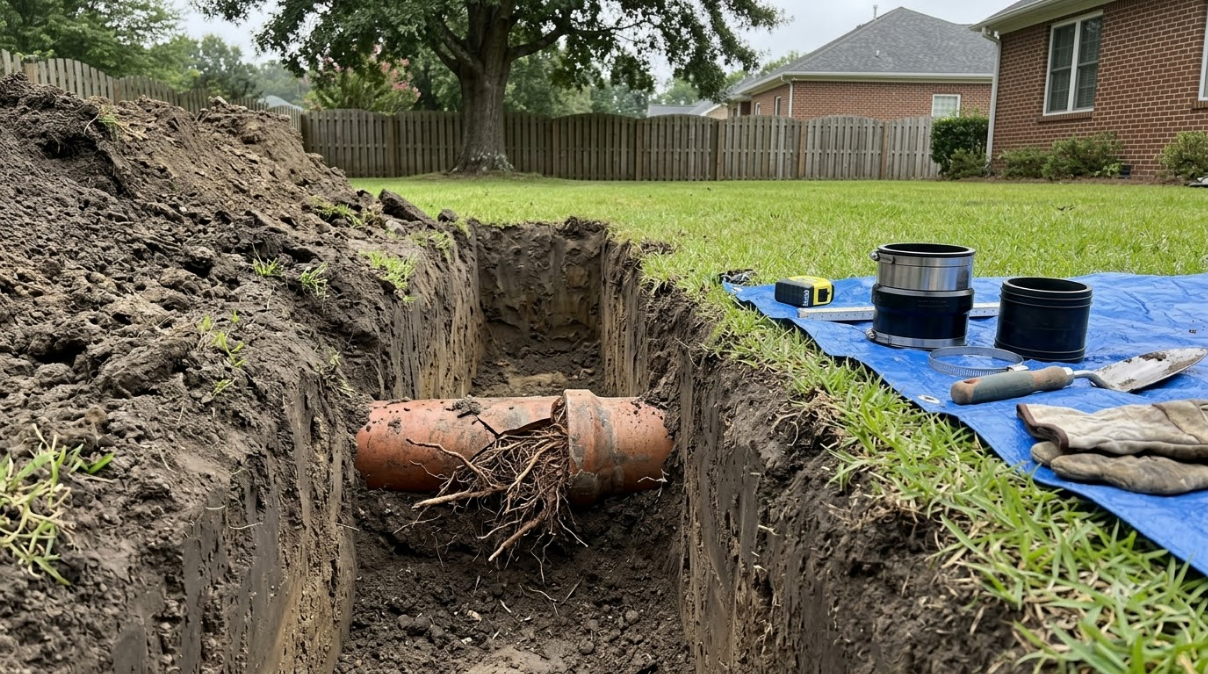
Roots enter through open joints and cracks, then grow into a mat that catches everything. Cutting them clears the line temporarily, while sealing or replacing the entry point is what actually ends the cycle.
BELLIES
Bellied and Sagging Line Repair
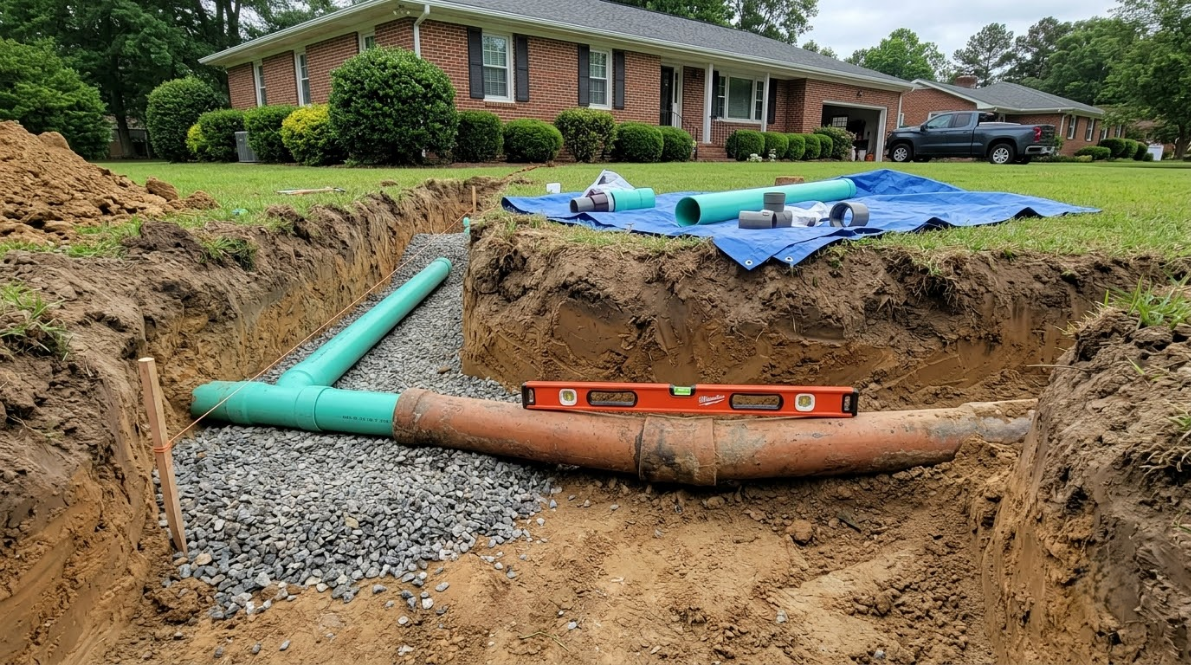
A section that has settled holds standing water, and standing water collects solids until the line blocks. Restoring proper fall to that section is the only genuine fix available for it.
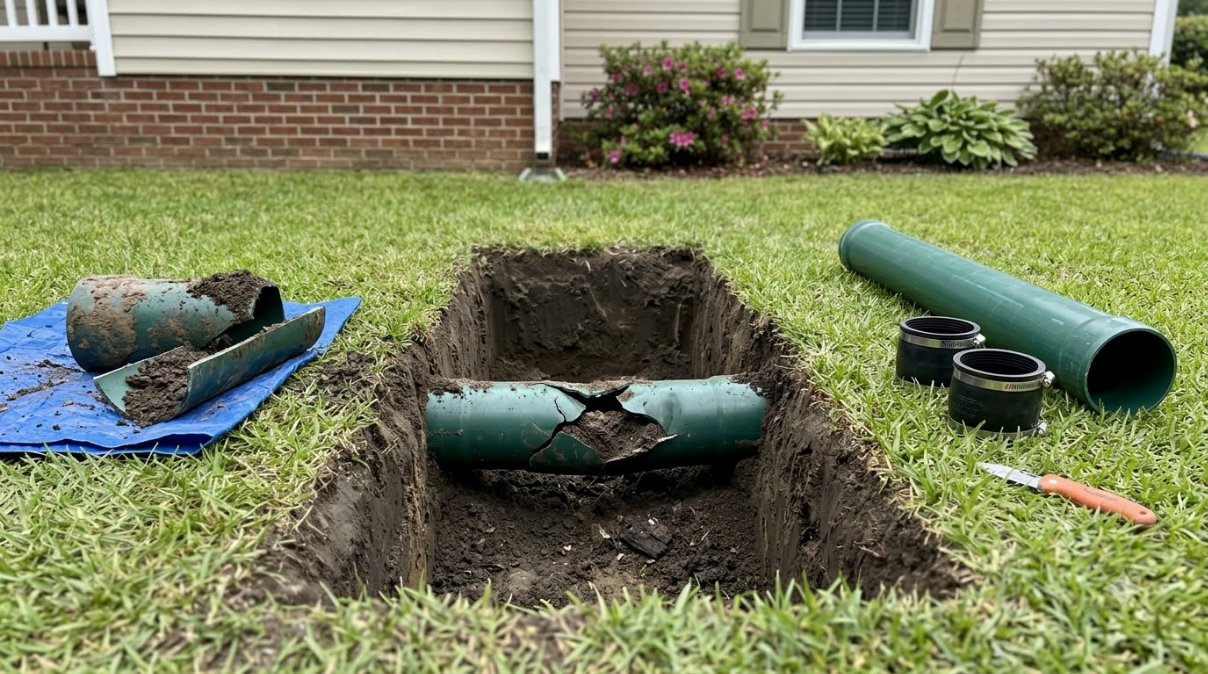
BREAKS
Cracked and Broken Pipe Repair
Cracks, offsets, and crushed sections narrow the bore and admit soil. We locate the damage precisely, then repair or replace the affected length rather than excavating the whole run hopefully.
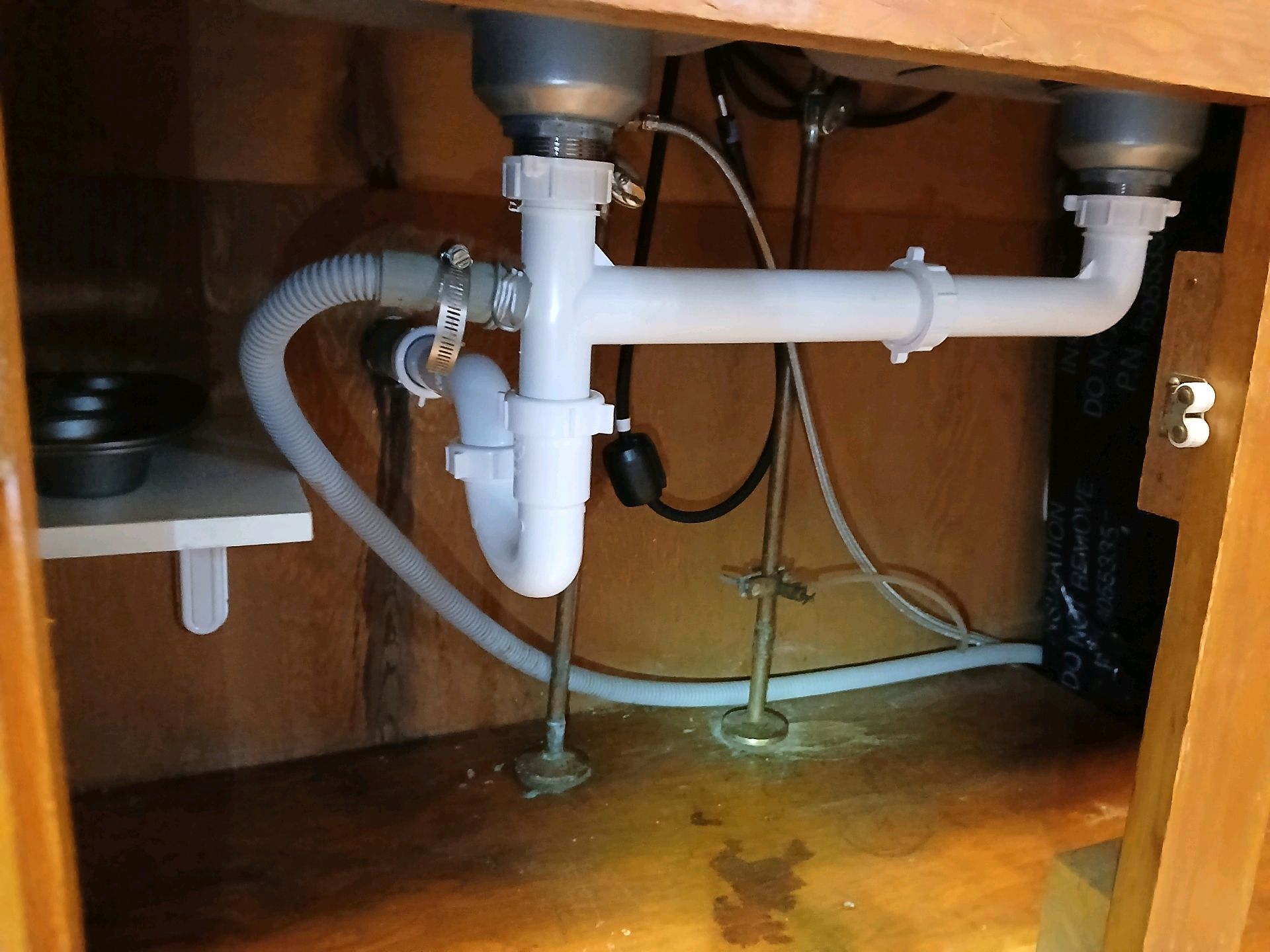
VENTING
Vent and Air Admittance Repair
A blocked stack or a failed air admittance valve stops the drain breathing at all, producing gurgling, slow flow, and siphoned traps. Clearing or replacing the vent restores normal drainage almost immediately.
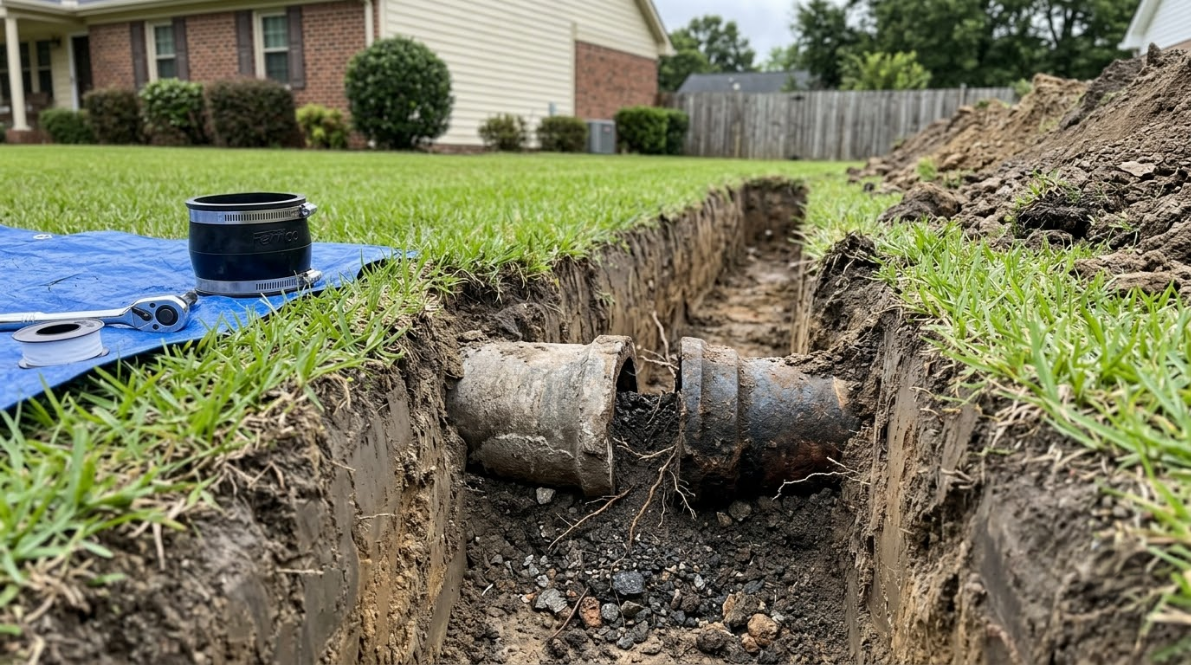
JOINTS
Joint and Connection Repair
Old clay and cast iron joints separate as the ground moves beneath them. Resealing or replacing the connection closes the gap that has been letting roots and soil into your line.
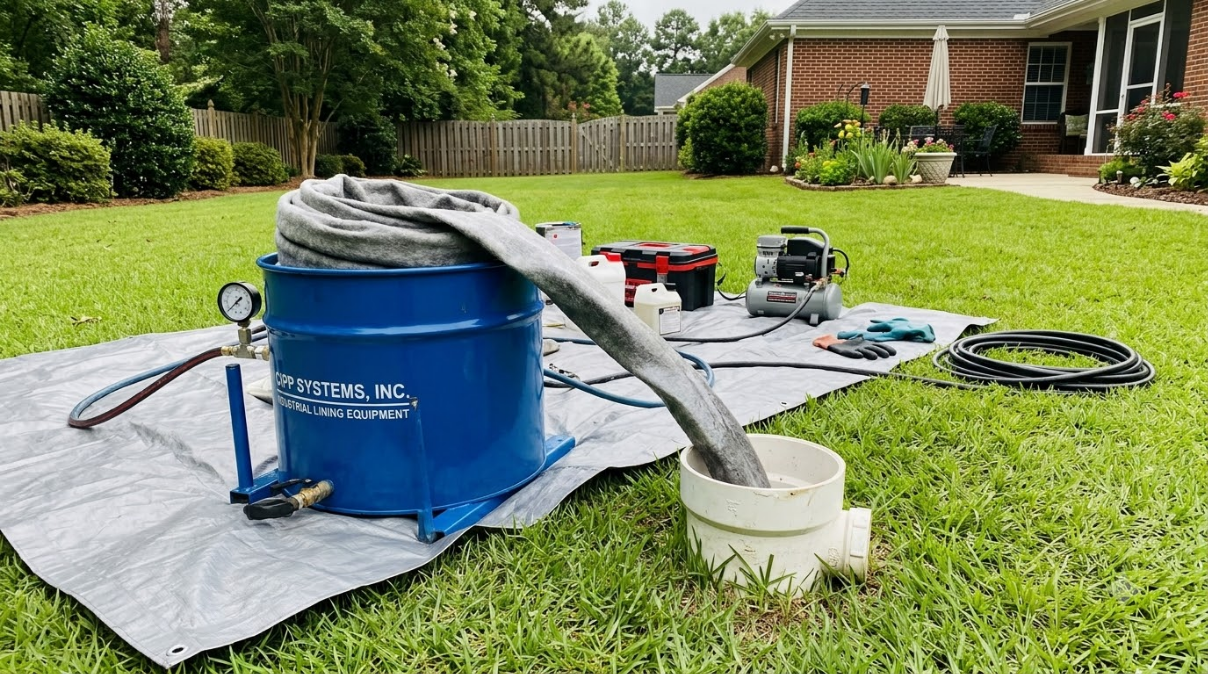
LINING
Trenchless Repair Options
Where the pipe run and the available access allow it, lining a damaged section avoids opening up the yard entirely. Resin liners are commonly rated for 50 years of service once cured in place.
THE WORD ON OUR WORK
WHAT OUR CLIENTS SAY.
The comments we hear most often come from homeowners who had been living with a drain that blocked every few months and finally learned why. Seeing the camera footage, several have said, made the decision to repair thoroughly an easy one.
Common Questions
FREQUENTLY ASKED QUESTIONS.
Questions homeowners ask about recurring drain blockages, covering root intrusion, camera surveys, trenchless repair, venting faults, and how to tell a clearing job from a genuine repair.
Why does my drain keep clogging even after snaking?
Because the blockage is a symptom rather than the cause. A belly, a cracked joint, root intrusion, or a venting fault holds material back, and clearing only removes what has already collected there.
What do I do if roots are clogging my sewer drains?
Cutting them back restores flow, but they return within a year or 2 through the same opening. Sealing, lining, or replacing the section where they enter is the only lasting answer.
How do I know if my main sewer line is blocked?
Several fixtures backing up together, gurgling from a toilet when the washing machine drains, and water appearing at the lowest fixture in the house all point at the main rather than a branch.
Can a bellied sewer line be repaired without digging?
Sometimes. Lining can restore a damaged pipe wall, but it cannot correct slope, so a genuine belly usually needs the affected section excavated and relaid to the fall the code requires.
What happens if I have an unused bathroom drain?
The trap seal evaporates and sewer gas enters the room. Running water down the fixture monthly refills the seal, and a small amount of mineral oil slows evaporation in genuinely unused drains.
How long does trenchless drain repair last?
Cured-in-place resin liners are commonly rated for around 50 years, comparable to a replacement pipe. Their real limitation is not lifespan but whether the existing line has the slope to justify lining.
Why is water coming back up out of my drain?
Waste has nowhere to go, so it finds the lowest opening available. That almost always indicates a blockage downstream in the main line rather than a problem at the fixture itself.
Why should I choose Just Right Plumbing for drain repair?
We survey the line before quoting, show you the footage, and repair only the section that has genuinely failed. Homeowners in Smithfield, NC call us when clearing has stopped working.
HOW WE WORK
FROM REPEAT BLOCKAGE TO PERMANENT FIX, HERE IS HOW.
STEP 01
Get the blockage history
How often it happens, which fixtures are involved, and what has already been tried tells us a great deal indeed. Repeat blockages follow patterns, and those patterns point toward particular kinds of structural defect.
STEP 02
Clear enough to see
The line has to be passable before a camera can survey it at all, so clearing comes first. That step is entirely about gaining access for the inspection rather than about solving the underlying problem.
STEP 03
Survey and locate the defect
The camera identifies the fault and a locator marks its exact position and depth on the surface above. Knowing precisely where to work is the thing that keeps any excavation small, contained, and precise.
STEP 04
Show you the footage
You see the belly, the root mass, or the break for yourself on screen, and we explain what each option would involve. Nobody should have to authorize drainage work on somebody else's description alone.
STEP 05
Repair the section properly
Spot repair, lining, or replacement of the affected length, chosen specifically to suit the defect found. Work follows the North Carolina State Plumbing Code, and cleanouts are reinstated wherever the code requires them.
STEP 06
Re-survey and restore the ground
A second camera run confirms that the line now flows correctly along its entire length. Any excavation is backfilled right and the surface is made good again before we finally leave your site.
Get Your Free Estimate
FIND OUT WHY IT KEEPS BLOCKING, FREE.
Tell us how often that drain backs up and what has been done about it so far. We will explain over the phone what recurring blockages usually mean and what a camera survey would settle, at no charge at all.
WHAT YOUR FREE ESTIMATE COVERS:
✓ Blockage history discussed by phone
✓ Camera survey options explained
✓ Spot repair weighed against replacement
✓ Trenchless possibilities considered
✓ Excavation kept as small as possible
✓ Ground restored after any digging